Safari Rally 4×4 preparation is not something you leave until the night before departure. The roads surrounding the special stages of the Safari Rally Kenya are famous for being rough, unpredictable, and extremely demanding on vehicles.
Every year, poorly prepared vehicles get stuck on spectator routes, suffer punctures, or experience mechanical failures. These breakdowns not only ruin the rally experience but can also create safety risks in remote areas.
Proper Safari Rally 4×4 preparation ensures your vehicle can handle the challenging conditions of Naivasha’s rally terrain.
Whether you drive a rugged Toyota Land Cruiser, a capable Toyota Hilux, a legendary Land Rover Defender, or a modern Ford Ranger, this guide will help you prepare properly for one of Africa’s greatest motorsport events.
1. Why Safari Rally 4×4 Preparation is Important
You can also view official rally schedules on the Safari Rally Kenya official website
2. Pre-Trip Service Checklist
A complete vehicle service is the first step in proper Safari Rally 4×4 preparation. Ideally, you should service your vehicle two weeks before the rally so there is time to fix any issues.
Important service items include:
-
Engine oil and oil filter replacement
-
Air filter inspection or replacement
-
Fuel filter replacement
-
Brake pad inspection
-
Coolant system check
-
Inspection of belts and hoses
-
Testing the 4WD system
If you are in Nairobi, you can schedule vehicle servicing in Nairobi through Multiline Motors before traveling to the rally.
👉 Internal Link
https://multilinemotors.com/services/
Professional servicing helps prevent breakdowns when driving through rugged rally routes.
3. Tyres: Your First Line of Defence
Tyres are the most important component of Safari Rally 4×4 preparation. The rally terrain in Naivasha includes volcanic rock, loose gravel, and deep mud.
Worn or unsuitable tyres significantly increase the risk of punctures.
What to Check Before the Rally
Before leaving for the rally:
-
Ensure tread depth is at least 4–6 mm
-
Check sidewalls for cuts or cracks
-
Confirm correct tyre pressure
-
Carry two spare tyres
High-quality off-road tyres improve traction and reduce puncture risks.
Drivers can explore 4×4 tyres in Kenya available from Multiline Motors.
Many off-road drivers prefer XBRI tyres in Kenya because of their durability and strong traction on rough roads.

4. Suspension and Ground Clearance
Another key part of Safari Rally 4×4 preparation is suspension inspection.
Rally routes can be extremely rough, and weak suspension components may fail under stress.
Check the following:
-
Shock absorbers for leaks
-
Springs for sagging or cracks
-
Bushings for wear
-
Control arms and mounting points
Many 4×4 owners install a 2-inch suspension lift before rally trips to increase ground clearance and improve approach angles.
Undercarriage protection plates can also help protect vital engine components from rocks.
5. Recovery Equipment
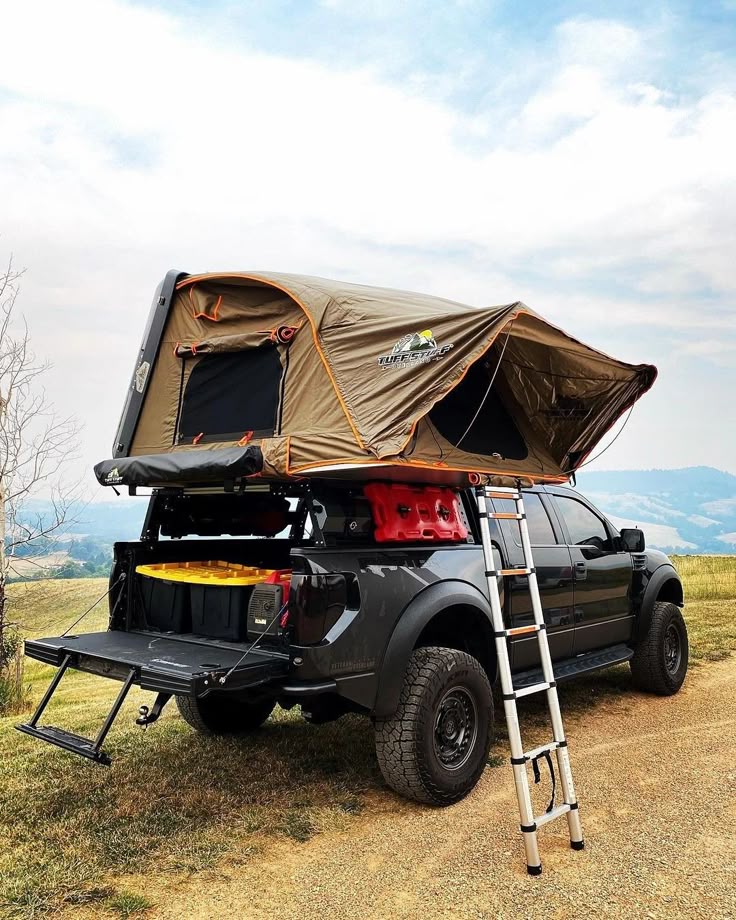
Even the best vehicles can get stuck in mud or sand. A complete Safari Rally 4×4 preparation kit always includes recovery gear.
Essential recovery equipment:
-
High-lift jack
-
Recovery rope or kinetic rope
-
Recovery boards
-
D-shackles
-
Long-handled shovel
Learning how to use recovery gear before the rally is highly recommended.
Many experienced off-road enthusiasts share recovery tips within Kenya’s growing 4×4 community.
6. Fuel and Fluids
During rally weekend, thousands of vehicles travel toward Naivasha. This can lead to long queues and fuel shortages.
Proper Safari Rally 4×4 preparation means carrying extra fuel and fluids.
Recommended supplies:
-
10–20 litres of extra fuel
-
Spare engine oil
-
Extra coolant
-
Brake fluid
Before leaving Nairobi, ensure all fluid levels are checked and topped up.
7. Electrical Systems and Dual Battery Setup
Modern rally trips often involve powering camping equipment, refrigerators, and mobile devices.
Installing a dual battery system is a valuable upgrade during Safari Rally 4×4 preparation.
Benefits include:
-
Reliable power supply for camping gear
-
Protection of the main vehicle battery
-
Ability to power devices overnight
Many drivers pair auxiliary batteries with solar charging solutions for longer trips.
8. Load Management and Weight Distribution
Proper weight distribution is another essential aspect of Safari Rally 4×4 preparation.
Overloaded vehicles handle poorly on rough terrain and are more prone to rollovers.
Best practices:
-
Place heavy items low in the cargo area
-
Secure all equipment using straps
-
Keep roof rack loads light
-
Avoid exceeding the vehicle’s weight limit
Keeping weight balanced improves vehicle stability during off-road driving.
9. Pre-Departure Final Checks
Before leaving for the rally, complete a final Safari Rally 4×4 preparation inspection.
Final checklist:
✔ Tyres inflated correctly
✔ Spare tyres available
✔ Fuel tank full
✔ Recovery gear packed
✔ Lights functioning properly
✔ Fluids topped up
✔ Camping equipment secured
You should also download offline navigation apps such as Maps.me or OsmAnd in case network coverage is weak near rally stages.
For rally updates and international rally information, visit the official World Rally Championship website.
Final Thoughts
Attending the Safari Rally Kenya is an unforgettable experience for motorsport fans and off-road enthusiasts. However, the rough terrain means that Safari Rally 4×4 preparation is absolutely essential.
By servicing your vehicle, installing the right tyres, carrying recovery gear, and planning ahead, you can enjoy the rally safely and confidently.
For professional assistance, tyre fitting, and rally-ready vehicle servicing, visit Multiline Motors in Nairobi and ensure your 4×4 is fully prepared for Kenya’s toughest rally terrain.