You are planning a camping trip to the Maasai Mara, Safari Rally Naivasha, or Lake Turkana. You have your tent, sleeping bag, and recovery gear sorted. But one question remains – how do you keep your food and drinks cold for multiple days?
The choice between a camping fridge and a cooler box is one of the most important decisions for any overlander. Get it wrong, and you are eating warm food and drinking warm drinks by day two. Get it right, and you enjoy cold drinks, fresh meat, and proper meals throughout your trip.
At Multiline Motors, we stock both options – premium portable fridges and high-quality cooler boxes. Our team on Baba Dogo Road helps Nairobi campers choose the right solution for their budget, vehicle, and trip duration.
This guide compares camping fridges and cooler boxes side by side so you can make the right choice.
Quick Comparison – Which One Should You Choose?
| Feature | Cooler Box | Camping Fridge |
|---|---|---|
| Upfront cost | KES 3,000 – 15,000 | KES 25,000 – 80,000 |
| Ongoing cost | Ice (KES 500 – 1,500 per trip) | Power (solar or battery) |
| Ice retention | 2-4 days | Indefinite (with power) |
| Power source | None needed | 12V battery + solar |
| Maintenance | None | Minimal (clean vents, check connections) |
| Weight | Light to medium | Heavy |
| Durability | Variable | Very durable |
| Portability | Easy to carry | Heavy, requires secure mounting |
| Dual battery needed? | No | Yes (recommended) |
| Best for | Short trips (1-3 days) | Long trips (4+ days) |
The Problem with Cooler Boxes
Cooler boxes are simple. Fill them with ice, pack your food and drinks, and they stay cold for a few days.
But here is the reality of using a cooler box in Kenya.
Ice Melts Fast
In Kenya’s heat, ice melts quickly. A good cooler box with quality ice will last 2-3 days. After that, you are dealing with warm water and lukewarm drinks.
Wet Food
As ice melts, water collects at the bottom. Your food gets soggy. Meat sits in water. It is not ideal.
Ice Is Heavy and Bulky
Ice takes up valuable space. A 10kg block of ice reduces your storage capacity significantly. You also have to find ice along the way, which is not always possible in remote areas.
Ice Adds to Trip Cost
Buying ice every 1-2 days adds up. Over a week-long trip, you could spend KES 3,000 – 5,000 on ice alone. Over a year of camping, that could exceed the cost of a fridge.
Temperature Fluctuates
You open the cooler box frequently to get drinks and food. Each time you open it, warm air enters and cold air escapes. The temperature fluctuates, reducing the lifespan of your food.
The Advantages of a Camping Fridge
Camping fridges are more expensive upfront, but they solve all the problems of cooler boxes.
Stays Cold Indefinitely
As long as you have power, your fridge stays at the temperature you set. It does not matter if it is 35°C outside. Your drinks stay cold, and your meat stays fresh.
No Wet Food
Fridges do not melt ice. There is no water at the bottom. Your food stays dry and fresh for as long as you have power.
No Ice Costs
You do not need to buy ice. The fridge runs off your 12V battery and/or solar panels. Over time, this saves you money.
Precise Temperature Control
You can set the exact temperature you need. 2°C for drinks. -5°C for frozen meat. -15°C for ice cream. A cooler box cannot do this.
More Storage Space
No ice means more space for food and drinks. Your fridge uses its full capacity for storage. If you are considering a camping fridge for long trips, Our dual battery system guide explains how to power it properly.
Powering Your Camping Fridge
The biggest question for camping fridge buyers is power.
How Much Power Does a Fridge Use?
| Fridge Size | Average Power Draw | Battery Required for 24 Hours |
|---|---|---|
| 40L | 0.8 – 1.2 amps/hour | 20-30Ah |
| 60L | 1.2 – 1.8 amps/hour | 30-45Ah |
| 80L | 1.5 – 2.5 amps/hour | 40-60Ah |
How to Power Your Fridge:
Option 1: Dual Battery System
The best solution. One battery starts your vehicle. Another battery runs your fridge. You never risk a dead starter battery. Read our dual battery system guide for more details.
Option 2: Solar Panels
Solar panels recharge your auxiliary battery while parked. A 100W-200W panel is usually enough for a camping fridge. At Multiline Motors, we stock solar panels, charge controllers, and lithium batteries designed for Kenyan overlanding.
Option 3: Portable Power Station
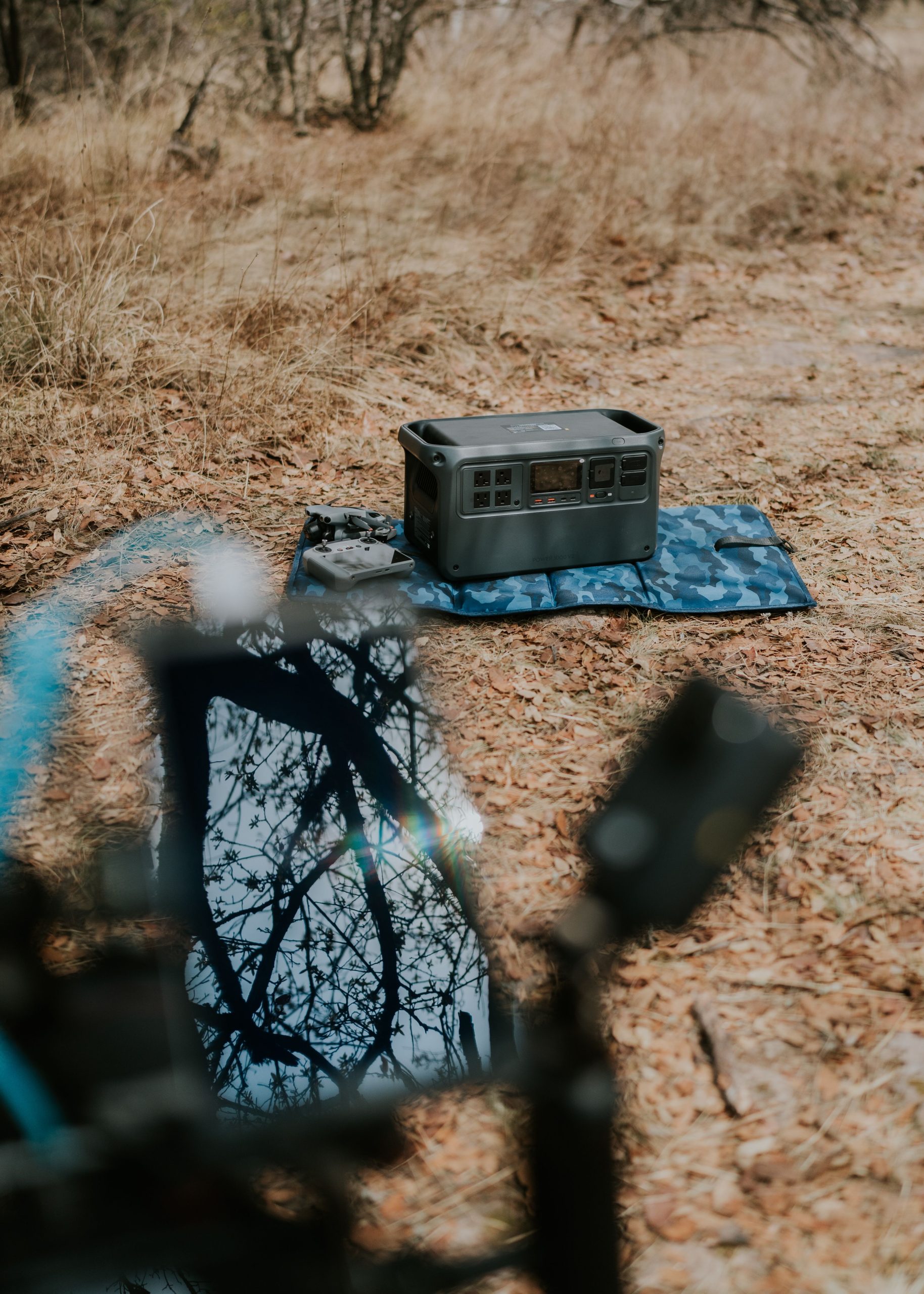
Power stations like the EcoFlow or Jackery range can run a fridge for 12-48 hours. They are portable and easy to set up.
Fridge vs Cooler – Cost Comparison Over Time
| Cost Item | Cooler Box (5-year period) | Camping Fridge (5-year period) |
|---|---|---|
| Initial purchase | KES 8,000 | KES 50,000 |
| Ice costs | KES 5,000/year = KES 25,000 | KES 0 |
| Battery system | KES 0 | KES 40,000 – 90,000 |
| Solar panels | KES 0 | KES 10,000 – 20,000 |
| Total over 5 years | KES 33,000 | KES 100,000 – 160,000 |
| Cost Item | Cooler Box (10-year period) | Camping Fridge (10-year period) |
|---|---|---|
| Initial purchase | KES 8,000 | KES 50,000 |
| Ice costs | KES 5,000/year = KES 50,000 | KES 0 |
| Battery system | KES 0 | KES 40,000 – 90,000 |
| Solar panels | KES 0 | KES 10,000 – 20,000 |
| Total over 10 years | KES 58,000 | KES 100,000 – 160,000 |
The fridge costs more upfront. Over 10 years, the gap closes significantly. If you camp frequently, a fridge makes financial sense. If you only camp twice a year, a cooler box may be the better choice. For more on powering your camping fridge, our dual battery system guide provides detailed information.
Which One Is Right for You?
| Your Camping Style | Recommendation |
|---|---|
| Weekend trips (1-2 nights) | Cooler box – simple and affordable |
| Short trips (2-3 nights) | Cooler box or fridge depending on budget |
| Long overlanding trips (4+ nights) | Camping fridge – essential |
| Safari Rally (4-5 nights) | Camping fridge – highly recommended |
| Family camping (more food/drinks) | Camping fridge – more capacity |
| Solo or couples | Cooler box or small fridge |
| Budget-conscious | Cooler box |
| Frequent camper (10+ trips/year) | Camping fridge – better value long-term |
| Remote areas with no ice shops | Camping fridge – essential |
Frequently Asked Questions
How long does a cooler box keep ice in Kenya’s heat?
A good quality cooler box with block ice will last 2-3 days. Ice cubes melt faster. Use block ice for longer trips.
Can I use a camping fridge without a dual battery system?
Yes, but you risk draining your starter battery. We recommend a dual battery system or a portable power station to power your fridge safely. Our dual battery system guide explains your options.
How much solar power do I need for a camping fridge?
A 100W-150W solar panel is usually enough for a 40-60L fridge. For an 80L fridge, consider 200W. A solar charge controller is essential.
Are cheap coolers any good?
No. Cheap coolers have thin walls and poor seals. They melt ice quickly. Invest in a good quality cooler (e.g., Coleman, Igloo, Xtreme) for better ice retention.
What is the best camping fridge brand?
At Multiline Motors, we stock premium Engel and Waeco fridges. Both are known for reliability in hot climates.
Can I keep frozen meat in a camping fridge?
Yes. Set the temperature to -5°C to -15°C for frozen meat. Not all fridges have this capability. Check the specifications before buying.
Do I need a fridge for a 3-day camping trip?
Not necessarily. A good cooler box with ice will work for 3 days. But a fridge gives you peace of mind and better food quality. For longer trips, a fridge is recommended.
Ready to Choose Your Camping Fridge or Cooler Box?
At Multiline Motors, we stock premium Engel and Waeco camping fridges, high-quality cooler boxes, solar panels, and dual battery systems.
Contact us today to find the right solution for your camping needs:
📞 Phone: +254 722 830 802
📧 Email: info@multilinemotorsltd.com
📍 Location: Baba Dogo Road, Nairobi
🌐 Website: shop.multilinemotors.com