If you’re planning to attend the WRC Safari Rally Kenya, a proper safari rally Kenya camping guide is the first thing you need. The event is wild, dusty, exhilarating — and completely unlike any other motorsport experience on the planet. But without the right preparation, it can quickly turn from dream into disaster.
In this guide, we cover everything from campsite selection and essential gear to vehicle preparation and safety tips, so you can focus on cheering on the world’s best rally drivers through the iconic Kenya bush.
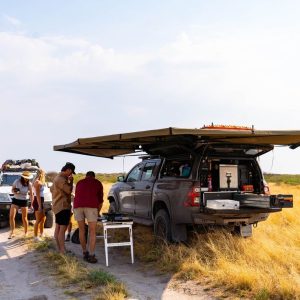
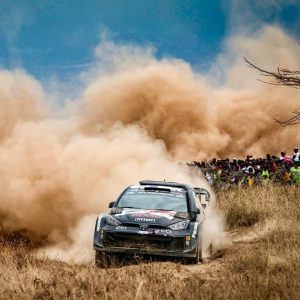
Table of Contents
- What is the WRC Safari Rally Kenya?
- Best Campsites for the Safari Rally Kenya
- Safari Rally Kenya Camping Guide: What to Pack
- Vehicle Preparation for the Rally Route
- Safety Tips for Camping at the Safari Rally
- How Multiline Motors Can Help You Prepare
- Frequently Asked Questions
1. What is the WRC Safari Rally Kenya?
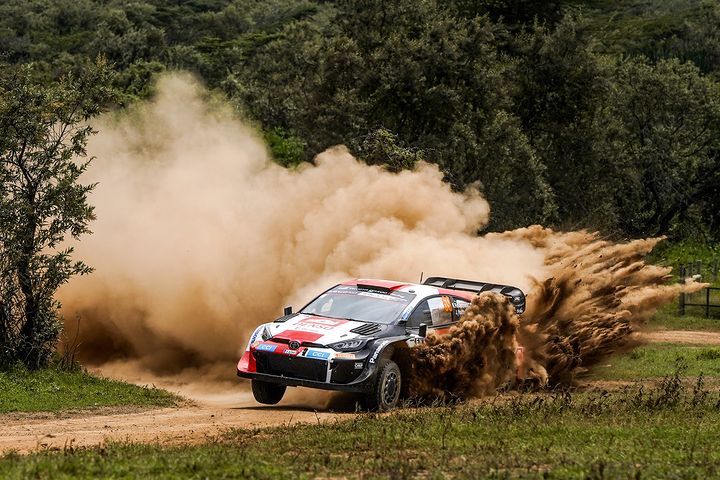
The Safari Rally Kenya is one of the most prestigious events on the FIA World Rally Championship (WRC) calendar. Held annually in the Rift Valley and Great Rift Valley region around Naivasha, it tests both driver skill and vehicle endurance across rough, unpredictable terrain. Unlike tarmac rallies in Europe, the Safari Rally is notorious for its deep ruts, river crossings, sharp rocks, and dust. For spectators, this translates into an unmatched bush camping adventure where the roar of 4x4s wakes you at dawn. For official event information, visit the WRC Safari Rally Kenya official page.2. Best Campsites for the Safari Rally Kenya
Choosing the right campsite is critical in any safari rally Kenya camping guide. The main spectator hub is typically at the Naivasha area, particularly around:- Hell’s Gate National Park area — dramatic scenery, popular with overlanders
- Lake Naivasha Sopa Resort — premium option for those wanting facilities
- Kongoni Camp and local farms — basic but authentic bush camping
3. Safari Rally Kenya Camping Guide: What to Pack
This section is the heart of any safari rally Kenya camping guide. The Naivasha region can be cold at night (down to 8°C) and scorching during the day, so layered clothing is essential.Shelter & Sleeping
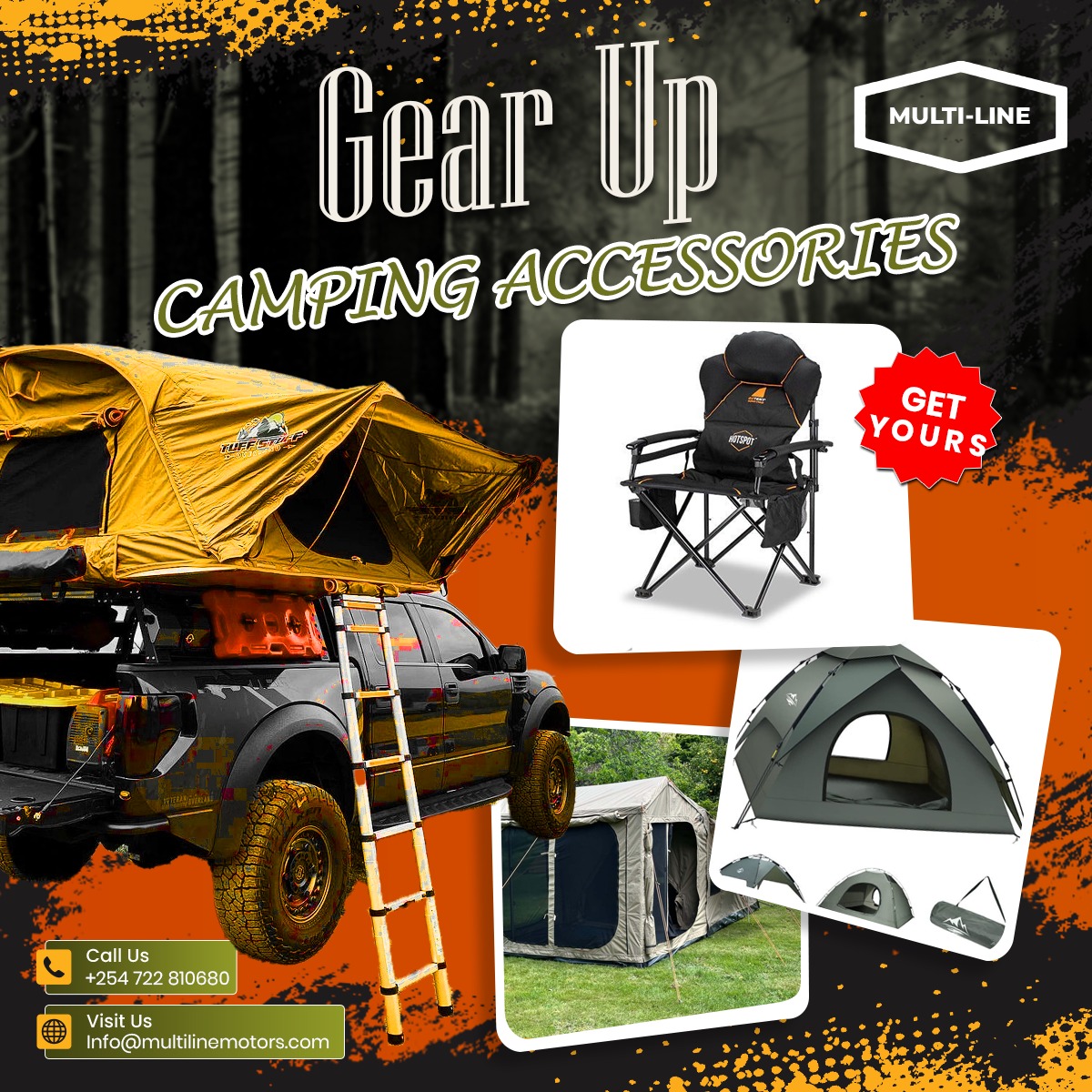
- Rooftop tent or ground tent rated for dusty conditions
- Sleeping bag rated to at least 5°C
- Ground mat or camp cot
- Dust-proof storage bags for clothes and electronics
Food & Water
- Portable fridge/freezer — the Engel or Waeco range is ideal for the East African climate
- Enough drinking water for 4–5 days (minimum 5 litres/person/day)
- Gas stove and spare canisters
- Non-perishable foods: pasta, rice, tinned goods, energy bars
Power & Lighting
- Solar panel and portable power station
- LED lantern and headtorch (per person)
- Power bank for devices
4. Vehicle Preparation for the Rally Route
Getting to and from the spectator stages requires driving on rough tracks, some of which can be seriously challenging after rain. Your vehicle needs to be ready.- Check and inflate tyres correctly — consider all-terrain tyres if you don’t already have them
- Carry a high-lift jack, tow rope, and recovery boards
- Service your vehicle before departing — oil, filters, brakes, lights
- Carry 10+ litres of extra fuel
5. Safety Tips for Camping at the Safari Rally
Safety is non-negotiable at a live rally event. Cars travel at speeds exceeding 200km/h — always obey marshal instructions and stay behind the designated spectator barriers.- Never stand on the outside of corners — always on the inside
- Keep children and pets within sight at all times
- Follow FIA spectator safety guidelines
- Have a first aid kit readily accessible in camp
6. How Multiline Motors Can Help You Prepare
At Multiline Motors, we supply everything you need to execute this safari rally Kenya camping guide perfectly. From premium off-road tyres to rooftop tents and portable fridges, our Nairobi store is your one-stop shop before the rally. Visit our Camping Gear and Accessories service page or call us on +254 722 830 802 to speak with our team.